So when’s the right time to actually pull the trigger?
Here’s the truth – Bangladesh is graduating from Least Developed Country status in 2026. The economy’s changing fast. Consumer expectations are shifting. And if your brand hasn’t evolved with the market, you’re already behind.
A fresh name or color scheme alone does not change how people see your business – a real shift comes from aligning actions with image. When it fits, the inside growth matches what buyers now demand outside. If off track, regulars feel lost, and funds vanish into thin air.
Let’s figure out when rebranding makes sense for Bangladeshi businesses, and when you should leave well enough alone.
Signs You Actually Need to Rebrand (Not Just Want To)
Most businesses rebrand for the wrong reasons. The CEO got bored. A competitor updated their look. Someone attended a branding conference and came back fired up.
Bad reasons, all of them.
Change begins only once certain key signals line up. These are the ones worth noticing.
1. You Look Exactly Like Your Competitors
Strolling around Gulshan or Dhanmondi – ever catch how most banks, telecom providers, and fintech platforms seem like copies? Same shades pop up everywhere. Their words sound alike, too. Pretty much every detail feels reused somehow.
When customers can’t tell you apart visually, you’ve got a problem. Rebranding cuts through that noise, showing you no longer follow the crowd but set a different pace instead.
This is especially urgent as new competitors enter the market with fresh, modern identities that make established brands look ancient by comparison.
2. Young People Don’t Get You Anymore
Here’s a stat that matters: approximately 57% of Bangladesh’s population is between 15 and 54 years old. This group shapes what gets bought simply by being so large. Numbers like these change how markets move.
Speed matters most to these folks – known as Connected Maestros – for whom openness feels normal. Digital life shaped their early years, so they notice when companies sound fake. Brands must keep pace, not lag behind. Culture today moves fast; they want brands that act like it.
Old looks or out-of-touch messages might already be pushing people away. Starting fresh clears the past, aligns with how things are changing in Bangladesh now.
3. You Just Merged or Got Acquired
A shake-up in company structure – like merging or buying another business – often kicks off a rebrand. One firm meets another, each with its own way of doing things, its own look and feel. Without clear direction, the mix turns messy. A shared path forward helps make sense of the blend.
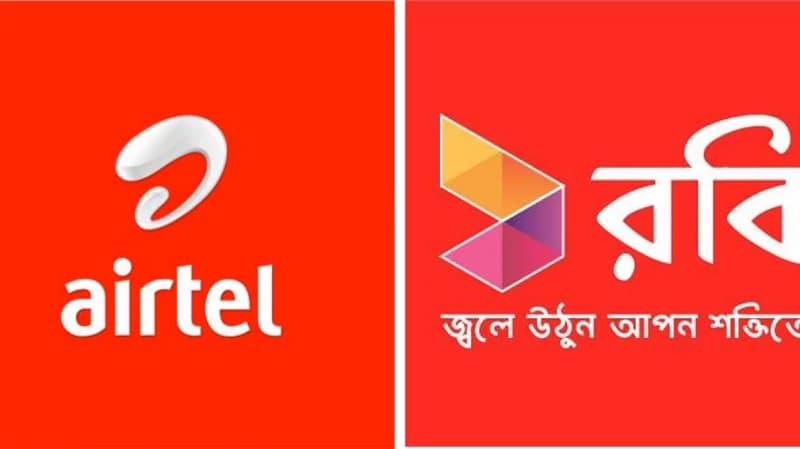
The Robi-Airtel merger in 2016 is the textbook Bangladeshi example. Merging wasn’t just about numbers on a chart; each brought their own customers, their own name out there. Rules needed following, yes, but also a fresh sense of direction. After everything settled, the new company faced a quiet challenge: figuring out who they were now.
After the merger, Robi reached 40 million subscribers and gained the highest spectrum holdings in Bangladesh. But the branding challenge was massive – keep Airtel’s youth appeal while building Robi’s premium image.
If you’re combining businesses, rebranding isn’t optional. It’s survival.
4. You’re Going Digital and Your Brand Screams “Analog”
Bangladesh’s ICT market is projected to hit 2,032 billion BDT by 2032. Really – that number stands correct. Digital transformation has already arrived, not knocking at the door. It’s operating behind screens, inside systems, right now.
But here’s the disconnect: 80% of e-commerce in Bangladesh happens on mobile devices. A logo that fails on small screens becomes unseen. When a brand still clings to old storefront ideas, it fades out. The people driving sales today simply look past it.
Rebranding for digital means minimalist logos that stay legible on tiny screens, vibrant colors that pop in social feeds, and messaging built for scroll-speed attention spans.
5. You’re Expanding Internationally
Walton didn’t need a rebrand when it was selling refrigerators in Dhaka. But when the company started exporting to 50+ countries, suddenly “local manufacturer” wasn’t enough.
Starting strong with high-tech goals, Walton opened a research hub in South Korea to match global benchmarks. Not limited to logos or colors, the shift rewrote its identity – repositioning from “Made in Bangladesh” to “global technology leader.”
Starting fresh abroad? Your name holds no weight where strangers fill the streets. So rebuild – maybe from nothing.
Understanding the Bangladeshi Consumer Right Now
Right now, shifting a brand hinges on reading people’s wallets plus their mindset. What worked before in Bangladesh barely fits today.
The Middle Class Is Exploding
Projections showed that the Middle and Affluent Class (MAC) would account for 17% of Bangladesh’s population by 2025, up from just 7% before. Even bigger? Within the next decade, 63 cities will have MAC populations of at least 100,000 people.
This isn’t just Dhaka and Chittagong anymore. Wealth is spreading to secondary cities fast.
Here’s the strategic insight: the optimal time to rebrand is just before your target demographic enters this “entry rung” of the middle class. Show up looking sharper, steadier, worth reaching for. Timing it right means they see you first when things start feeling possible.
Bangladeshi consumers are incredibly optimistic – 60% expect their incomes to rise next year, and 69% report wanting to buy more things every year (BCG). When a brand feels fresh and matches that upbeat mood, it can stand for what someone has achieved through effort. That kind of update doesn’t just change labels; it quietly celebrates progress.
They Care About Brands More Than You Think
Budget-conscious doesn’t mean cheap. Over 80% shoppers in Bangladesh point to brand name as key when picking long-lasting items. (BCG)
Spending extra doesn’t scare them when the product feels elite or better made. Rebranding works best when it lifts how valuable something seems, rather than chasing lower prices. What matters is how high-end it appears, not just what it costs.
A brand that seems cheap might miss out on buyers ready to spend extra for a product that actually feels valuable. What people see shapes what they expect to pay.
When the Calendar Says It’s Time
In Bangladesh, timing isn’t just about business metrics. Cultural and seasonal factors matter massively for when you actually launch a rebrand.
Pohela Boishakh: The Cultural Reset Button
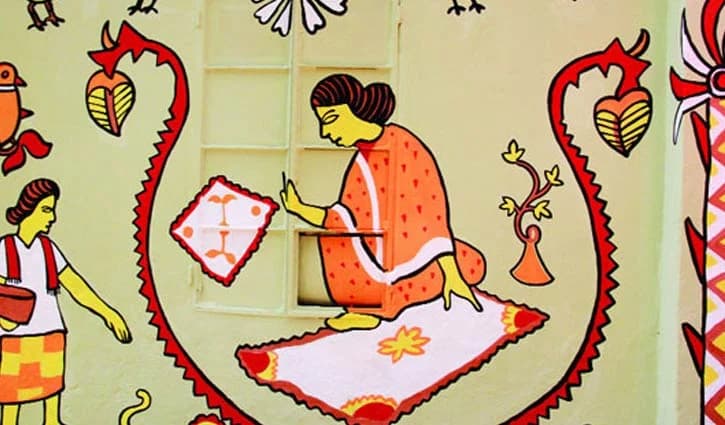
Every April 14, people mark Pohela Boishakh – a fresh start tied deeply to Bengali identity. Though rooted in celebration, it’s also when new beginnings take shape naturally. Business owners shift gears by opening fresh ledgers, closing past debts through the age-old Halkhata custom. This is literally a rebranding metaphor built into the culture.
Launching a rebrand during Pohela Boishakh taps into themes of renewal, hope, and community unity. Many consumers view this day as “auspicious” for major purchases like vehicles or homes, making it perfect for high-visibility brand launches.
Ramadan and Eid: Peak Spending Windows
The Eid festivals – Eid-ul-Fitr and Eid-ul-Adha – are the most critical consumption periods in Bangladesh. During Ramadan alone, spending on food, clothing, and lifestyle can hit nearly 50 billion USD.
Right before Ramadan hits, that is when you make the move and start your rebrand. Not earlier, not later – timing it here places you where eyes already look. The rush of ads fills every corner, so joining means slipping into sight without shouting.
Fiscal Year End: The Administrative Window
The fiscal year closes in June across Bangladesh. As a result, companies often schedule budget checks around this time. Strategy sessions tend to follow soon after. Board meetings usually wrap up by late summer.
The national budget often introduces tax changes or VAT adjustments affecting specific industries. Around this time, companies pause, look inward, not because they must but because clarity matters more now. A fresh label might appear on old products; names change without drama.
Real Bangladeshi Rebrand Stories: What Worked and What Flopped
Let’s look at actual companies that rebranded and what happened.
1. Banglalink: Bold Move, Mixed Results
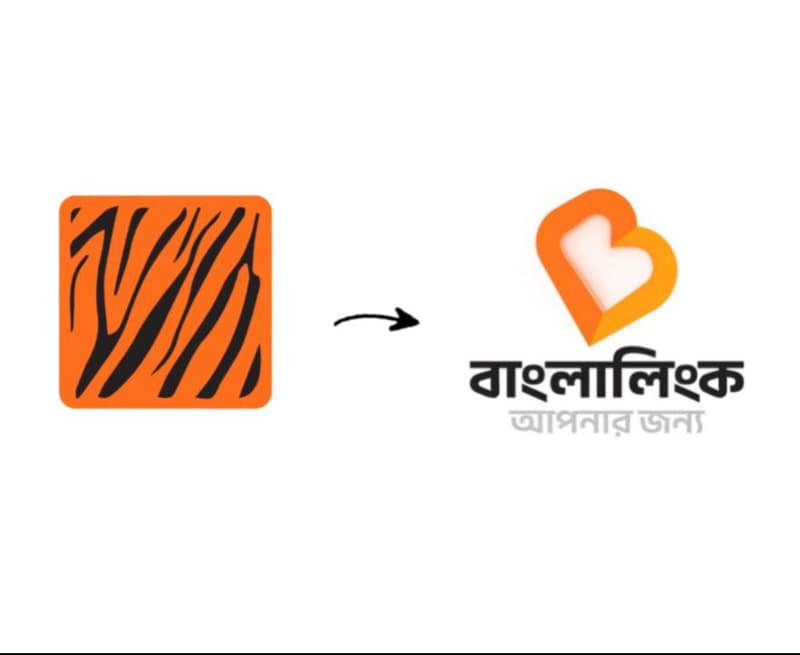
In 2025, Banglalink stepped out with a fresh look meant to show change – not just towers and signals anymore, but tools built around people. Instead of staying boxed as a carrier, it stretched into tech that fits real days. The rebrand aligned with parent company VEON’s “Digital Operator” vision to engage customers for 1,440 minutes daily through entertainment, learning, and lifestyle services.
A fresh look brought bold hues alongside softer tones, hinting at quickness without clutter. Pretty good, right?
Here’s the problem: removing the iconic “tiger stripes” from the logo sparked significant backlash. The fresh look seemed empty without that fierce touch. Some said it missed what made people stop and remember. Out went the bold mark tied to a proud national image. That old symbol carried weight – now it just feels lighter.
Lesson? Modernization is essential, but abandoning iconic elements with high brand recall can alienate your loyal base. Evolution beats revolution.
2. Pathao: From Delivery Service to Super App
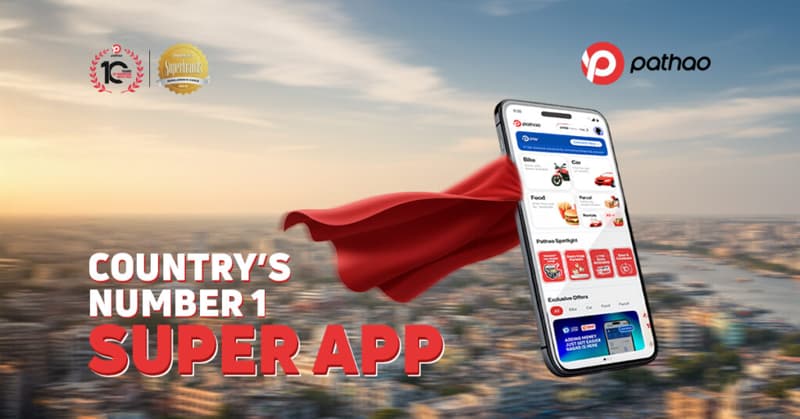
Back in 2015, Pathao launched as a delivery service. On its eighth anniversary, it unveiled a refreshed brand identity representing its evolution into a full “Super App” with ride-sharing, food delivery, and fintech.
The mission of “Moving Bangladesh” expanded to include fintech innovations like “Pay Later” and “Pathao Pay”. Young crowds took notice when memes popped up on TikTok, when faces from Instagram joined the flow. Not just another app anymore, Pathao slipped into daily talk, turned into a “household name”, like breathing. A ride? Just Pathao it.
This worked because the rebrand matched reality. Pathao actually became a super app. The brand just caught up with what the business already was.
3. City Bank: Going Digital Without Losing Soul
“Banking Made Digital, Dreams Made Real!” – this was the theme when City Bank rolled out its new look built on the “Citytouch” system. Not just a fresh coat of paint, the change brought along a full set of digital upgrades linking everything via phone apps and web access. How banking felt began shifting once those tools went live across platforms.
But here’s what they got right: City Bank maintained its focus on being “human and humane” while becoming digital. They rolled out tailored brands like “City Alo,” built for women running small businesses. It also joined forces with bKash, offering tiny loans through mobile platforms. The move felt grounded, not flashy.
A fresh start clicked since actual user struggles got fixed without losing the faith earned through years of steady effort.
How to Know If You’re Actually Ready
Wanting to rebrand and being ready to rebrand are different things. Here’s how to audit whether now’s the time.
Run an Internal Branding Check
Frontline workers show customers who you really are – without their buy-in, any fresh look falls apart fast. Ask them what comes to mind when they think of the company today. Chances are, their answers reveal gaps between now and where leadership hopes to land. Listen closely before moving forward.
In Bangladesh, where organizational hierarchy is often rigid, getting buy-in from senior leadership is as critical as training operational staff.
Audit Your External Identity
Review every customer-facing material – business cards, website, social media, signage. Ask three questions:
- Consistency – Do colors, typography, and tone match across all platforms?
- Digital Health – Is your website converting visitors? Where’s traffic coming from?
- Competitor Comparison – How do you stack up visually and functionally against your biggest rivals?
Get Real Customer Feedback
Nowadays, Bangladeshi companies turn to group discussions while checking online surveys, just to see which terms people link to their brand. Instead of assuming reactions, these businesses go straight to the source for answers.
Create “Customer Personas” – fictional characters representing your ideal prospects. What are their fears, desires, motivations? Does your current brand speak to those, or is there a disconnect?
What Could Go Wrong (And How to Avoid It)
Rebranding carries real risks. Here’s what to watch out for.
Alienating Loyal Customers
A shift in colors might seem small, yet in Bangladesh, it can feel like betrayal. When Banglalink changed its tiger stripes, people did not just notice – they reacted. Familiarity runs deep here. Sudden moves break trust built over years. What looked like an update felt more like a dismissal to many.
Solution? Consider “partial rebranding” or “evolutionary refreshes” that modernize while keeping recognizable legacy elements. You don’t have to burn everything down to move forward.
Killing Your SEO
One wrong move with a rebrand might undo years of search engine optimization work. If you run an online store or tech-driven business, the fallout hits harder.
A fresh start begins when old URLs point correctly through 301 redirects. Search engines stay informed because updates are shared ahead of time. Traffic dips less if every tech detail is mapped before moving. Careful setup keeps visibility steady during shifts.
Inconsistent Rollout
Old signs still hanging around? That clashes with a fresh site. Email designs stuck in the past pull against new visuals. Social media pages that don’t match feel offbeat. A patchwork vibe sneaks in. First impressions wobble when pieces don’t line up.
Use a centralized Digital Asset Management system to store updated logos and brand guidelines. When changes happen, everything shifts at once – no delays.
Bottom Line: Is It Time or Not?
Rebranding in Bangladesh’s rapidly evolving market is less about aesthetics and more about survival; it’s time to move when your current identity no longer reflects your operational scale or fails to resonate with a digital-first generation.
For a strategic partner like Trivia, this evolution means aligning your brand with the nation’s “Smart Bangladesh” trajectory ensuring your visual and emotional language works seamlessly from traditional storefronts to high-speed digital platforms. Whether you are outgrowing your startup roots or pivoting to meet new economic demands, the right move isn’t just about looking fresh; it’s about intentionally timing your transformation to capture cultural momentum and secure long-term consumer trust.