Most business owners obsess over how they are perceived. Here’s the kicker: people don’t experience your intentions; they experience the execution. You may think everything looks professional on your end. Meanwhile, customers are cringing at slow replies and a brand that hasn’t found its voice yet.
Over time, those small cracks add up, and the overall vibe of your brand feels off. This article exists to help you prevent exactly that. Today, we are breaking down identity vs. image.
What Is Brand Identity?
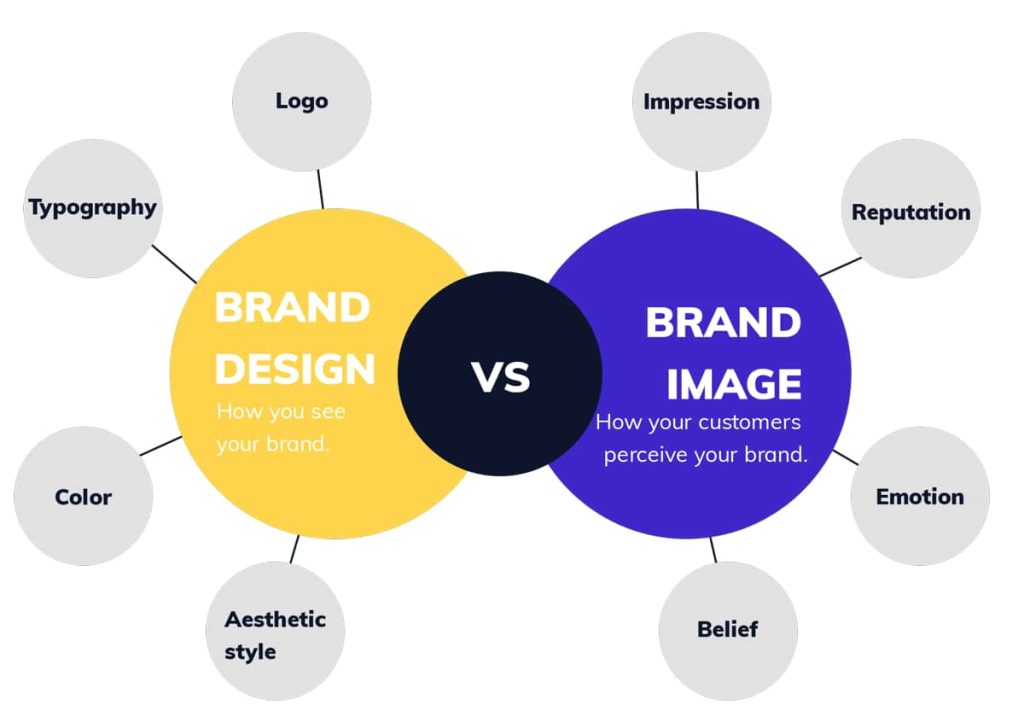
Brand identity is the blueprint that defines how your brand should look, sound, and behave. It’s the master plan behind every choice you make, from color palettes to the way your team speaks to customers. A strong brand identity is a strategic system to add a personal touch to your brand.
It shapes the emotional atmosphere around your brand: whether you come off as warm, bold, reliable, rebellious, or elite. It also guides your behavior because identity isn’t just aesthetics; it’s how you show up. Every touchpoint becomes an opportunity to reinforce that identity.
Logo
The logo is a brand’s visual shorthand. It’s a tiny symbol expected to carry a huge number of responsibilities. No matter which trend it follows, a logo has to be functional, versatile, and instantly recognizable. Well-crafted logos are supposed to communicate your core values at a single glance. If it doesn’t, it’s not done yet.
Color Palette
Colors are emotional triggers. They influence how people interpret a brand. For example, blues communicate trust. Reds signal urgency or energy. Greens suggest growth or sustainability. A consistent color palette makes your brand easier to spot even without the logo.
Typography
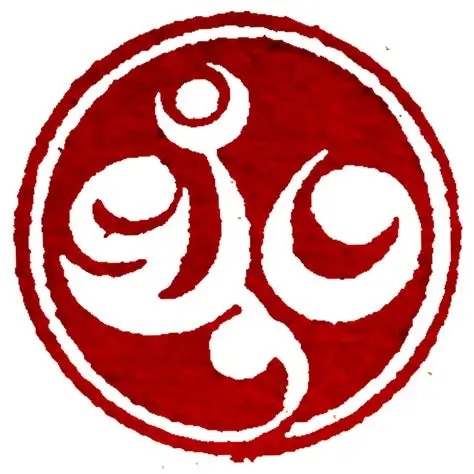
Typography determines the voice your brand speaks in. When used consistently, typography becomes part of your brand’s signature look. Here we have the official logo of Khut, a heritage brand from Bangladesh. It’s a perfect example of how typography adds personality.
Tagline
The tagline is your brand’s philosophy boiled down to one memorable line. Think of it as your elevator pitch without the rambling and the existential detours. A strong tagline clarifies what you stand for. A weak one tries too hard to be clever or sounds like a motivational poster from 2012.
Imagery & Graphics
This is your visual storytelling arsenal: photos, illustrations, icons, patterns, textures, etc. You know, the elements that shape the emotional and aesthetic mood of your brand.
What Is Brand Image?
Brand image is the version of your brand that lives in other people’s minds. It’s what they perceive after interacting with your business. It’s the sum total of impressions, emotions, and judgments your audience forms.
Brand image isn’t something you can control. Instead, your image forms through customer experience. In other words, brand image is the real-world verdict. Fair or not.
Customer Experience
Customer experience involves digital touchpoints like websites and social media, as well as packaging and customer service. Every interaction contributes to your brand image. A confusing website or slow response can undo months of careful PR.
Emotional Connection
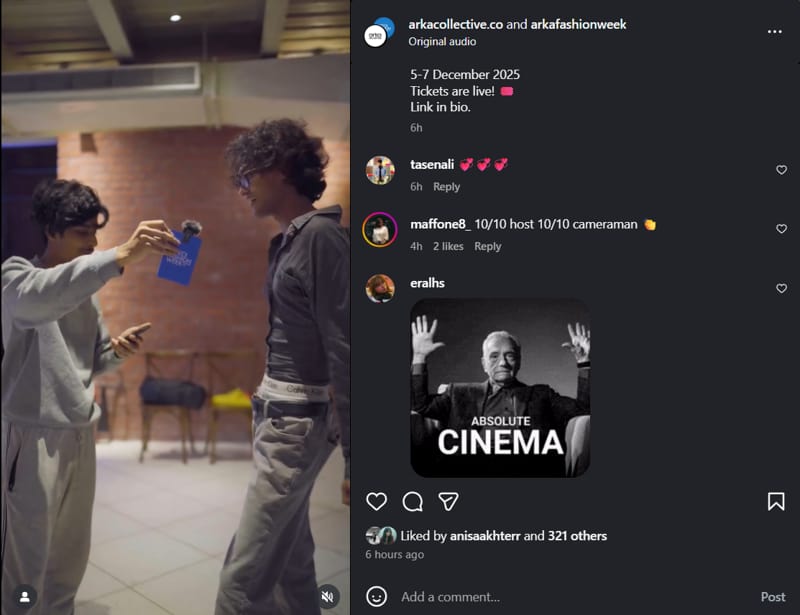
Every interaction shapes how people feel about your brand. From the moment someone clicks your website to the way your team answers calls, these experiences accumulate into a perception. Helpful interactions make people feel understood and respected. It also allows them to show their admiration (check out the comments on the screenshot above).
Reputation & Public Perception
Reputation grows from your ability to keep promises. Social proof, reviews, word-of-mouth, and media coverage amplify this story. Understanding this side of perception reminds us that brand image is earned through care, not just design.
Why Are We Talking About the Distinction?
Far too many businesses act like brand identity and brand image are the same. Understanding the distinction is critical because it reveals a gap between intention and perception. Confusing the two leads to a disaster. It takes away your brand consistency.
Take, for example, a “premium” skincare line (identity) that ships products in flimsy packaging (image). This mismatch can overshadow a carefully curated identity. Even though the brand tried to be innovative, its service was underwhelming. So from now on, their customer base would think that they are making empty promises.
One of the best ways to differentiate between brand identity and brand image is to ask questions that force you to face the reality. Consider asking yourself:
- What personality traits define our brand?
- When people think of us, what emotions pop up?
- How do we want people to feel after interacting with us?
- What promises are we actually making to our audience, and are we keeping them?
- Do we notice any recurring themes in reviews, testimonials, or feedback?
- How would customers describe us in their own words? Do their descriptions match how we want to be seen, or are we missing the mark?
Identity without consistency is like building a house with no foundation: it won’t stand the test of time. Recognizing the gap allows businesses to build brands that are coherent and memorable. And that’s exactly why we are having this conversation.
How This Applies to Different Types of Businesses
So far, we’ve talked about brand identity, brand image, and why keeping them in sync matters. It’s important to note that the way these concepts play out varies depending on the size and stage of your business. Let’s break it down.
Startups & Small Businesses
For startups and small businesses, the bright side is that your brand is still a blank canvas. Clarity, differentiation, and authenticity are your holy trinity. You can experiment with visuals and marketing all you want without triggering mass confusion. But don’t get cocky. Every interaction, even a delayed shipment, shapes perception. Startups have the agility to mold both identity and image fast, but only if they act intentionally. In plain terms: look slick and stay consistent.
Growing Businesses
As your business grows, things get messy. You’re no longer the solo founder running the show; you have multiple things to keep in sync. Keeping your brand consistent across all touchpoints can be very stressful. This is why every brand needs a solid internal culture, because it’s the glue that stops your brand from falling apart.
Big Leagues
The problem big brands face is completely the opposite: everyone already has an opinion about you. The challenge isn’t building identity from scratch; it’s doing something new without pissing off the loyal crowd. You want to stay relevant without burning bridges. Sudden shifts in visuals, messaging, or tone hit like a cold bucket of water.
Wrapping Up
Listen, customers experience what you serve. If your identity and image aren’t aligned, your brand is basically sending mixed signals. You could have the slickest logo and the coolest color palette in the game, but if the experience can’t keep up, people will bounce.
Building brand image and brand identity is a step-by-step process. Every interaction is a chance to reinforce who you are and what you promise. When customers know what to expect, trust grows. When trust grows, your brand becomes a feeling people want to come back to.
If you’re ready to lock in, Trivia Limited is here. We help brands do the groundwork, fix the gaps, and build an identity that stands the test of time. Reach out today!