The evidence is everywhere. Local brands such as bKash, Walton, Pathao, and RFL did not become household names by chance but by creating conscious and strategic brand names that appealed to the Bangladeshi consumers. In times of economic uncertainty, consumers used their wallets to cast their votes in these local names because they represented more than just products. They symbolized trustworthiness, nationalism, and cultural awareness.
Look at the new brand refresh of Aarong. The reason why they did not update their logo was that it was old-fashioned. They harmonized their visual identity in Bengali and English to establish grounds for a stronger market presence, both locally and internationally. That’s strategic thinking. That is knowing that brand identity makes business happen, not necessarily aesthetic tastes.
The Trust Economy: Why Brand Identity Builds Confidence
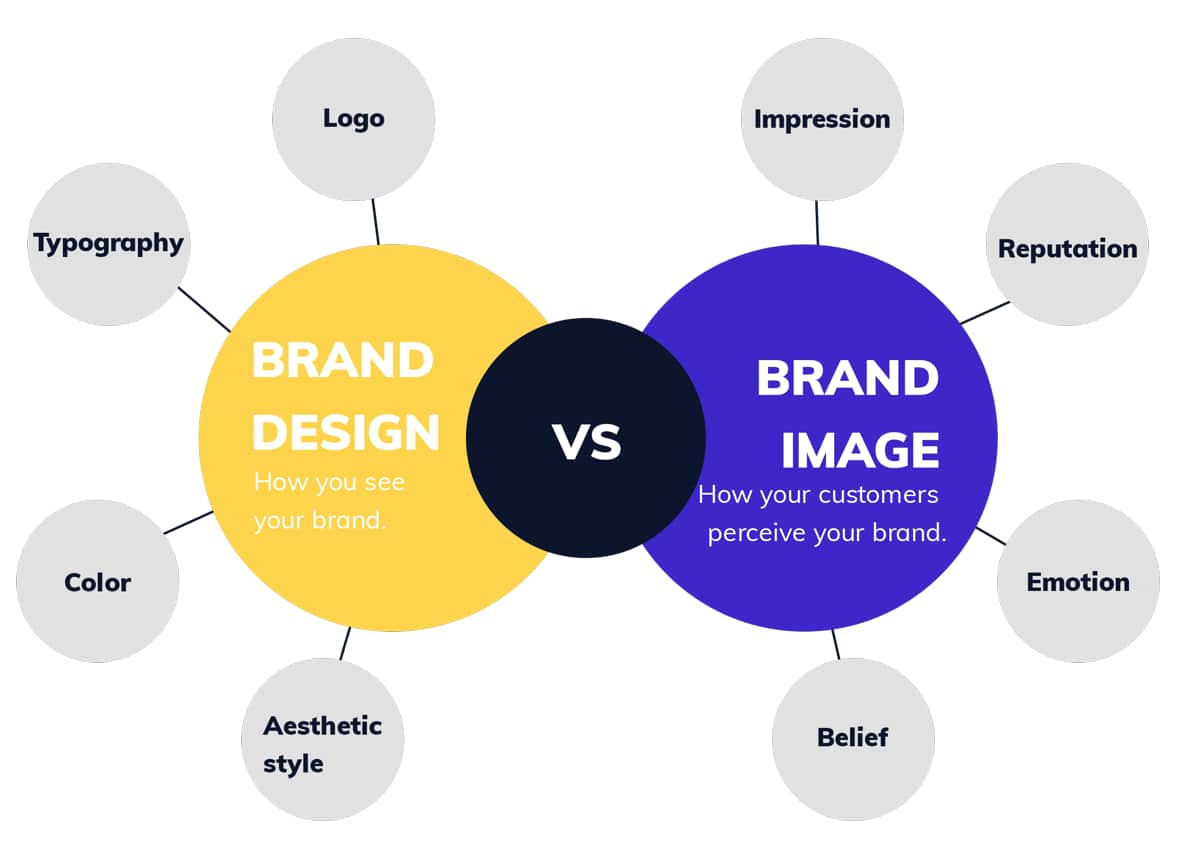
Bangladesh is a country of trust. Your brand image is your reputation in action, in a market where personal recommendations continue to be the most effective way to make a purchase, where family opinions count, where community opinion counts, and where community perception counts.
This is what really comes to pass when you invest in a unified brand identity: consistency in logos, colors, and messages across all the touchpoints informs consumers that they can trust you. A professional integrated appearance is a sign of reliability. Poorly constructed materials or a misaligned brand? That is an amateur operation, no matter how good your actual product is.
The main factor of customer loyalty is brand trust and satisfaction. Not price. Not features. Trust. And credibility is created with regular brand experiences that are in line with customer values.
This emotional attachment has an unbelievable weight in the collectivist culture of Bangladesh. Consumers relate well with the brands that share common values, speak Bengali language sensitively, apply local symbols, or focus on community themes. Customers do not just buy your brand when it seems culturally authentic, as in, it actually knows what Bangladeshi people want. They advocate for you.
And here is the business implication: with high trust, premium pricing is possible. Powerful brands attract a premium price since customers are ready to pay a premium price in order to purchase products that they trust. The brand equity acts as an attraction to new customers and builds an emotional connection that directly increases sales and profitability.
Digital Reality: The New Battleground for Brand Identity
Bangladesh’s market has gone digital—fast. The current consumers, particularly the 40% who are below the age of 30 years, are online. There is an explosion of mobile internet subscriptions of over 131 million. Young people find, consider, and select brands in social networks and local applications.
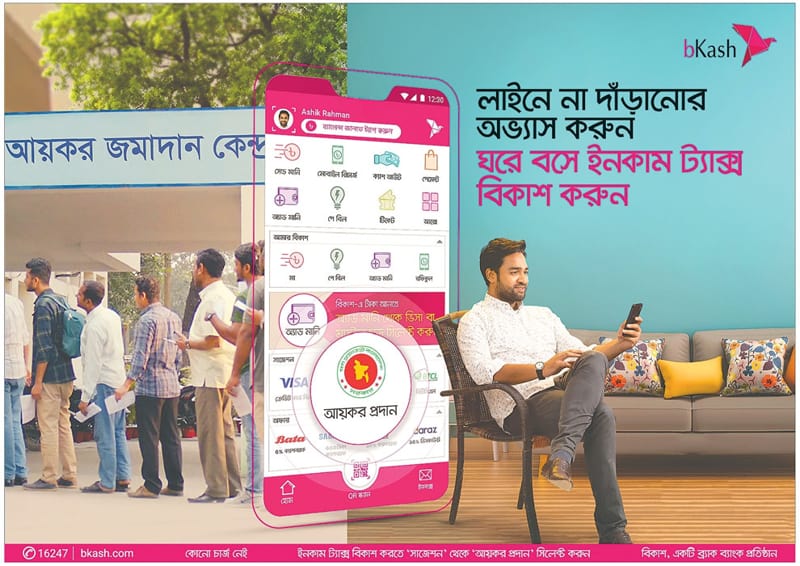
The figures say it all: bKash increased its market share by half in 2018 to more than 70% in 2025 as the use of smartphones became more widespread. That’s not accidental. Their brand was associated with convenient mobile payments since they created a robust digital brand presence that tapped emerging consumer behavior.
This establishes uncompromising conditions: your brand identity should be perfectly functional in the digital space. Your application, website, social media, online advertising, and everything must be consistent with brand identity. When your brand looks professional on your storefront and amateur on Instagram, you have failed. When your site sends other brand values than your Facebook page, you have misled consumers.
Digital presence is no longer an add-on, but a main one. To most of the Bangladeshi consumers, particularly the younger generations, it is their first and last experience with your brand online. Your online brand is your company.
The Competitive Advantage: Standing Out in Crowded Markets
The markets of Bangladesh are viciously competitive. Telecommunications, FMCG, retail, electronics, fashion, all of them are overcrowded. When products are commoditized, when features are duplicable, when prices are razor-thin, what is it that makes you different? Brand identity.
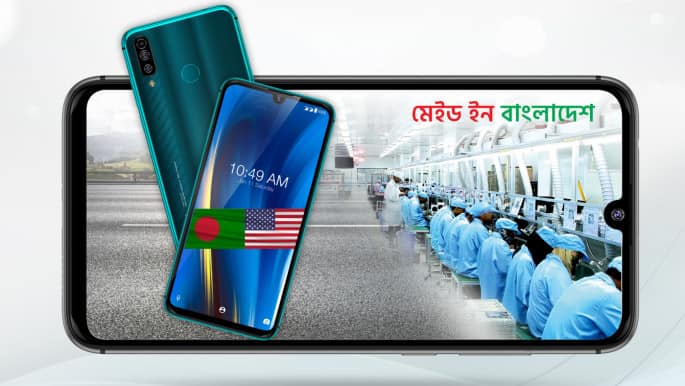
See the strategic positioning of Walton. They ventured into a market that was dominated by other foreign brands such as LG and Samsung. What was their market leadership capture? Through the creation of a brand identity of local innovation, quality craftsmanship, and low prices. They did not merely compete based on product specifications, but they competed based on brand meaning. Made in Bangladesh was not a compromise, but a source of pride.
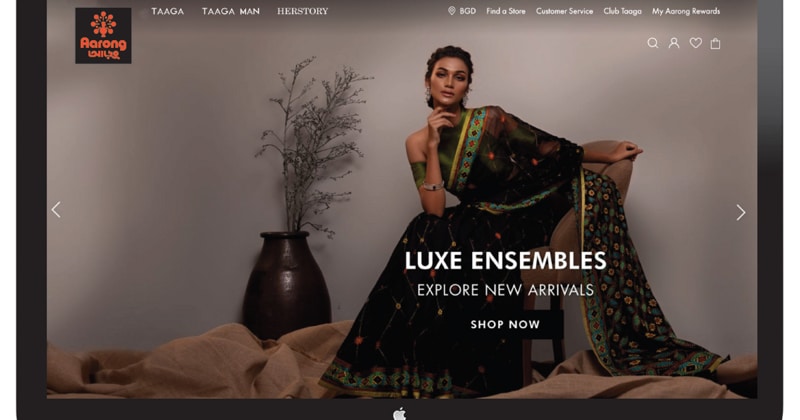
Aarong differentiated through brand story—their social mission of empowering artisans and their Bangladeshi heritage. The values of their brand identity speak to the consumers who are concerned with impact and authenticity.
In the commodity sector such as tea and biscuits such brands as Ispahani and Pran use the history of the brand and the constant positioning of quality to take up market share. In cases where products are functionally identical, a high visual image and a strong brand story will ensure that customers recall you more than other products.
The reality is simple: a distinctive brand identity is what sets one company apart. A brand, by definition, guarantees satisfaction, and it makes you stand out from the crowd. In the absence of such distinction, you are competing on price alone, which is a race to the bottom and kills profitability.
Business Impact: The Measurable Returns of Brand Investment
We should discuss numbers since brand identity skeptics are fond of saying that it is a soft investment with no definite ROI. The statistics of Bangladesh are the opposite.
Customer Loyalty
Customers trust the brands and make repeat purchases and referrals. It has been proven that loyalty is a result of trust and satisfaction. A base of loyal customers will minimize the cost of acquisition, increase lifetime value, and ensure stable revenue.
When bKash or Pathao introduce new services, their current customers will experience them since brand loyalty is transferred to new services.
Premium Pricing Power
Good brands are worth premium prices. Branded products in the emerging-income market of Bangladesh have discernible price differences with generic products.
When consumers have a perception of quality, reliability and status of brand identity, they are willing to pay more. This power of pricing directly affects the profit margins.
Market Expansion
Strong brand name drives expansion. Walton’s “Go Global-2030” is built on their “Made in Bangladesh” brand equity. Aarong clearly rejuvenated its identity to concentrate on international expansion.
Even tech startups such as Pathao expanded at a high rate as their brand names became synonymous with particular services, in the case of Pathao, ride-hailing and in the case of bKash, mobile payments.
The trend is the same: those companies which invest strategically in brand identification take the lead in the market, occupy the leading positions, and favor international growth. Branding is not merely an advertisement but a strategic asset that builds up with time.
The Cultural Dimension: Why Local Authenticity Matters
This is what most companies fail to understand: Bangladeshi customers prefer local brands not only because of the price. Research indicates that although foreign brands are considered to be of high quality, local brands prevail in terms of cultural authenticity and national pride.
This gives a colossal opportunity. When your brand is associated with not only high quality but also with cultural knowledge, you will be able to attract customers of both groups, who want to receive the high-quality product and those who want to support the local community.
The effective strategy incorporates the Bengali language in a considered (not only translation) way, local motifs and symbols in an authentic (not superficial) manner, and it corresponds to the Bangladeshi aspirations and values (not alien models). Consumers connect when your brand feels like it is literally of this place.
It does not imply denying international norms and contemporary beauty. Aarong is a blend of traditional craftsmanship and modern design. Walton provides technology at local prices. The winning formula is a blend of global quality expectations and local culture appeal.
What Actually Works: Strategic Brand Building for Bangladesh
Stop thinking about brand identity as logo design. Start to consider it as a strategic business infrastructure. Here is what really drives the needle:
Visual Consistency Across All Touchpoints
Your logo, color scheme, typography, and imagery should be the same everywhere—storefront, packaging, website, social media, advertising, email, and applications.
Lack of consistency is an indication of unreliability. Professional, unified images are an indication that you are in your game, and the consumers can rely on you.
Digital-First Brand Presence
Since Bangladesh is a mobile-first country with a young population, your digital brand experience should be outstanding. Be active on Facebook, Instagram, and other applicable platforms. Use the content that portrays your brand story and values.
Digital marketing enables the ability to target accurately—use it to target the right audiences with the right brand messages that will convert.
Cultural Integration
Accept Bengali language wherever necessary. Use local symbols or themes that appeal to national identity. Stress any relationship to Bangladeshi artisanship, innovation, or society. Consumers react to a brand that is sensitive to their cultural environment and one that mirrors their values.
Clear Brand Promise
Be able to explain what your brand is all about: quality, innovation, social impact, reliability, affordability, status, or whatever positioning you want to do. Then keep that promise always.
Your brand narrative must build emotional resonance that creates trust. Showcase special advantages that warrant premium prices or preference over others.
Quality Backing Brand Claims
Brand identity promises satisfaction—operational excellence should provide it. The quality of the products and customer services remains high, and this makes customers become loyal promoters. Follow up, adjust to tastes, and be flexible. The brands that change with the consumer expectations retain their advantage.
The Bottom Line: Brand Identity Is Business Strategy
In the competitive and rapidly changing environment of the Bangladesh market, brand identity is not a creative luxury, but a competitive necessity. Brand identity affects how people view your business, builds trust that leads to sales, and ultimately makes or breaks your decision to be picked by customers instead of the alternatives.
The physical advantages are obvious: the presence of loyal customers who guarantee the stable flow of revenues, the price power that secures the margins, and the prospect of growth that opens new markets. Local examples prove this. The brand refresh of Aarong put them in a position to go global. Walton has a good brand identity, which has taken over the market leadership of the long-established multinationals. bKash has a trusted brand that led to its adoption to establish market dominance.
When you match your brand to the digital behaviors of consumers, cultural values, and changing expectations, you will be in a better position to succeed and not only survive. The companies that are winning in Bangladesh today are the ones that consider brand identity as a strategic business investment and not as an afterthought marketing cost.
The question isn’t whether you can afford to invest in brand identity. The question is whether you can not afford not to. Meanwhile, your competitors are creating brand equity as you make decisions. In a market that is changing this quickly, indecision is a market share you will never recover.
Invest in strategic brand identity now. Build trust systematically. Deliver consistently. And see how brand equity can be converted to business growth that is worth all the takas.
The future belongs to brands that understand this. Will yours be one of them?