The truth is, most local businesses in Bangladesh treat Facebook ads like digital flyers. They are mass-blasted, generic, and built on hope instead of strategy. But Facebook isn’t designed for hope. It’s designed for precision.
You don’t need a digital marketing degree to grab the attention of your target audience. Facebook ads are very smart when you know how to reach your audience. When your ad blends in with the memes, food pics, and bridal outfit reels people are already consuming, it stops feeling like an ad. It becomes a recommendation.
This blog is your guide to Facebook marketing. We’re talking:
- The nuts and bolts of setting up local Facebook ads
- How to craft copy and stunning visuals
- Smart targeting techniques
- Budgeting strategies
- Common mistakes (and how to dodge them)
- Optimization tricks
Don’t Forget the Basics
A lot of local businesses in Bangladesh rush straight into boosting posts without setting things up properly. Don’t just collect likes from random people who will never buy from you. If you actually want them to work, there are a few non-negotiables you need to knock out first.
Start with your control center, Facebook Business Manager. Verify your business to gain more control and a lot less risk of getting your account flagged or shut down mid-campaign. Once you’re verified, it’s time to set up your Facebook Business Manager account. Fill in every detail—business name, contact info, website, business type, and tax details, if applicable. The more complete your profile, the fewer hiccups you’ll face later with ad approvals and billing issues.
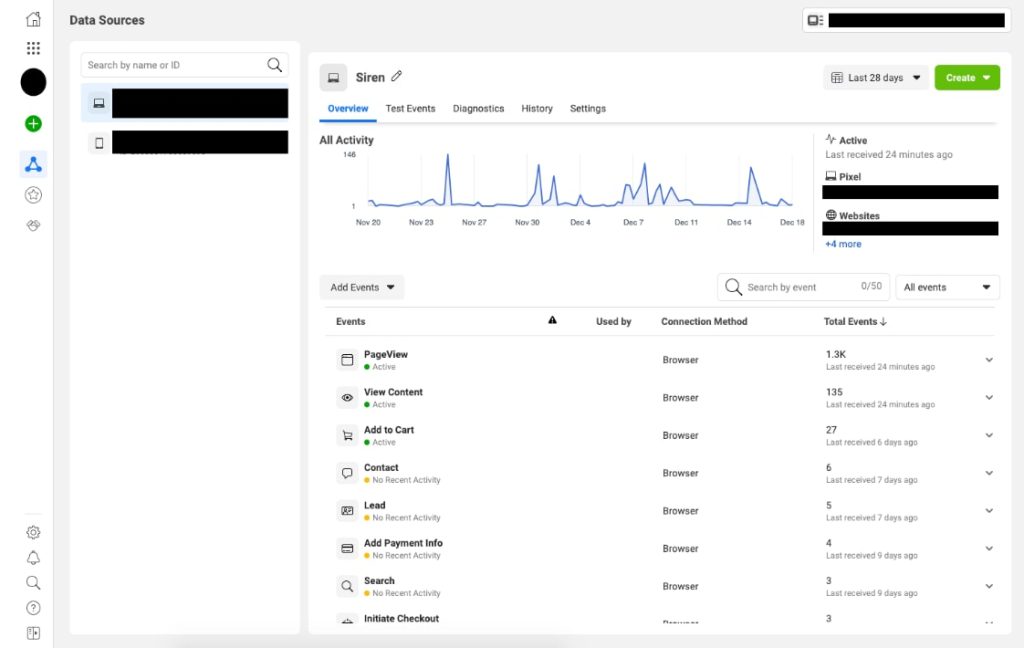
Now that your business account is in place, set up your Meta Pixel. It’s a small piece of code that tracks what people do after they click your ad. Did they visit a product page? Add to cart? Fill out a form? Facebook optimizes your ads and shows them to people who are most likely to take those actions. To understand customer behavior better, you can also use Google Tag Manager.
A well-structured ad account is what separates amateurs from advertisers. Instead of lumping everything into one messy campaign, take the time to organize. Separate your campaigns by objective, audience type, and creative. This way, you know exactly what’s working and what’s draining your budget.
Also, do not run all your ads under one generic ad account if you manage multiple brands or clients. Create separate ad accounts under your Business Manager to keep things clean, compliant, and easier to troubleshoot. And always double-check your time zone, currency (BDT), and payment settings before launching anything.
Targeting Users Every Step of the Way
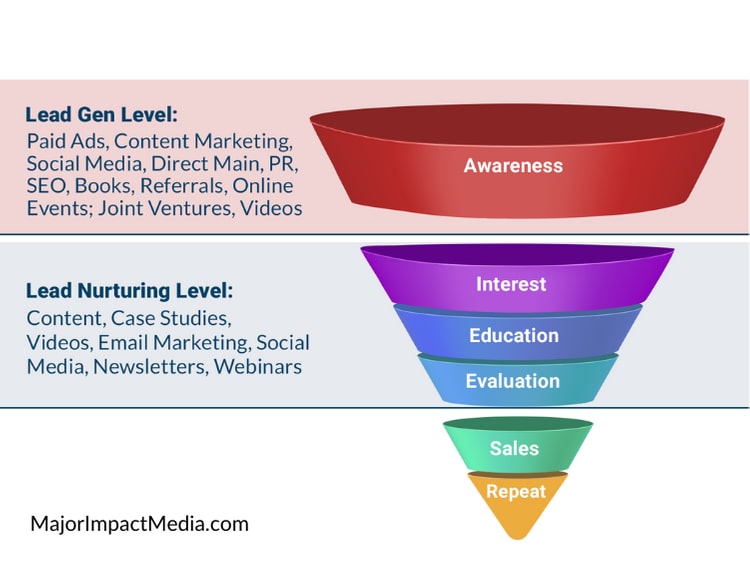
You should not use the same template for every customer. There are different stages to the customer journey. A well-thought-out marketing strategy should handle this journey from three different angles.
1. Top of the Funnel
First off, we have the top part of the funnel. Your primary goal is to get noticed. You are looking for people who have never heard of you before. Remember that they are open to discovery. So, you have to hit them with something cunning or visually striking. You know, brand videos or relevant memes.
Let’s say you have opened a cat café. How do you make a good first impression on people? Don’t lead with “visit us,” lead with vibes. Drop a short, snappy reel featuring the cats lounging, playing, or casually knocking things off tables. Someone tries to sip coffee, and a cat slides into the frame. A little brainstorming and you could do a thousand different versions of this!
2. Middle of the Funnel
At this stage, people have seen your ads. Perhaps they can even remember your name! They are not exactly sure if they should trust your brand, but they’re curious. And this curiosity will act as your weapon.
Utilize this moment to do product demos. Use custom audiences to target people who:
- visited your website
- watched your videos
- clicked your ads
- messaged your page.
Here’s what Shajgoj did. Instead of going straight for the sale, they met their audience halfway by becoming useful. On their Facebook page, they post makeup tutorials that feel like content the general public would actually search for.
Facebook’s targeting shows follow-up ads specifically to people who watched, say, 50% or more of the video. So once your audience has watched a full “no-cakey concealer” tutorial, the exact concealer should pop up in their feed, followed up by a CTA like: “Try it in your shade!” This is a solid method because these people have already visualized themselves using this product. They are just one step away from purchasing.
3. Close the Deal
Now we’re talking money. These users have shown interest. They’ve browsed your products, added items to their cart, maybe even messaged you about pricing. They’re almost there, so your ads should give them that final push.
You can get direct and persuasive at this point. Here’s another example. Imagine you run a home decor business online. Someone looked at a set of handmade clay lamps on your site. You run a retargeting ad showing that exact lamp with a “15% off today only” tag. Boom! It’s sold.
See how methodical this whole process is? You are not chasing customers. By matching the message to the mindset, you make your ads feel less like ads and more like solutions. That’s the power of social media marketing.
Budgeting and Bidding in a Bangladeshi Context
Your campaign’s success depends on budgeting and bidding. You don’t need a massive budget to start seeing results. There are many different bidding methods available, like:
- Daily budget
- Lifetime budget
- Cost-per-click (CPC) bidding
- Cost per impression (CPM) bidding
- Cost per action (CPA) bidding
Plenty of local businesses get traction with as little as BDT 200–500 a day. You won’t go viral, but you can definitely expect visibility. It all depends on your goal. If you’re just trying to get DMs or page likes, a lower spend is okay. On the flip side, if you’re launching a new product, you’ll want to push it closer to BDT 600–1500+ per day.

For most industries in Bangladesh, CPC tends to range from BDT 3–10, depending on how small your audience is. Fashion and food ads often cost less because they’re more broadly appealing. But if you’re running ads for something like real estate, fitness coaching, or financial services, your CPC might climb higher.
On the other hand, CPM is less about clicks and more about reach. For general lifestyle brands, CPMs can sit anywhere between BDT 150–300, but again, it depends on how narrow your targeting is.
Here’s the golden rule: don’t throw your entire budget at one ad. Start small, test different versions, then scale the winner. If you’re spending BDT 500 per day, try splitting it between two or three ad sets instead of going all in on one. Facebook ads are not a lottery ticket. The more data you gather, the smarter your spending becomes.
Optimizing Ads for Results
Running Facebook ads without optimization is like cooking without tasting. You need to learn how to adjust, experiment, and evolve your ads over time based on real data.
Let’s start with the obvious first move: A/B testing. A/B testing is where you run two or more versions of an ad with just one variable changed. One version might say “Shop Now,” while another says “Discover Your Skin Routine.” Over time, you’ll clearly see which one pulls more engagement. It’s up to your audience, basically.
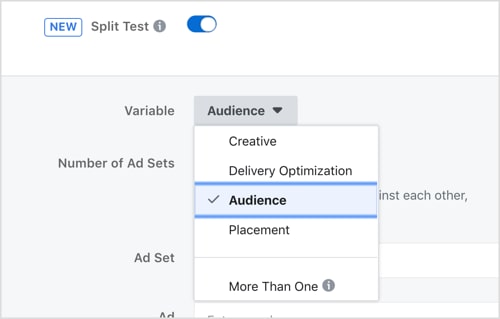
And here’s where Facebook’s split test feature comes in. Instead of juggling two separate campaigns manually, Facebook does the heavy lifting for you. You set up your test, and Facebook will serve them evenly and show you which one performed better.
Now, once your ad is running, don’t just let it sit. Head over to Ad Manager and open up the performance report. Only focus on a few key numbers. Watch your CTR (Click-Through Rate). A CTR below 1% usually means your ad needs work. Also, keep an eye on vanity metrics (likes, comments, saves).
Retargeting
You finally got someone to interact with your ad. They watched half your video. They probably even went to your website and hovered over the “Add to Cart” button like they were on the edge of commitment. And then, they vanished. Times like these call for retargeting.
Not retargeting your ads is a lot like self-sabotage. But with Facebook’s custom audiences, you get a second chance. You can create these audiences from people who’ve watched your videos, saved your posts, or even slid into your inbox.
Want to take it a step further? Use Lookalike Audiences. It’s Facebook’s way of saying, “Here’s a bunch of people who act like your existing customers, but haven’t met you yet.” Creepy? A little. Useful? Absolutely. And yes, it works in Bangladesh. Facebook has plenty of data on local users, probably more than you do. Just feed it some info and watch it build you a twin army.
But here’s where it gets dicey. Just because someone engaged with your content once doesn’t mean they want to see your ad 73 times in a week. Please, for the love of god, set frequency caps. No one wants to be haunted by your moisturizer carousel until they develop trust issues.
Dodging Common Pitfalls
Here’s a breakdown of the most common mistakes businesses in Bangladesh make when running local ads and what to do instead.
Not Verifying Your Business or Domain
Skipping this step is like running a shop without a signboard. Facebook needs to know that you’re a legitimate business before it lets you fully play with the big kid tools. If your business isn’t verified, you might find yourself locked out of certain ad features or hit with annoying limitations you didn’t even know existed.
Even worse, during random policy reviews or algorithm changes, unverified accounts are usually the first to get restricted or flagged. Verifying your domain also helps Facebook know that you own the content you’re advertising.
Ignoring Comment Moderation
You know that one comment that says “pp?” sitting under your ad from two days ago, still unanswered? Yeah, everyone sees that. When your ad goes live, people don’t just look at the image or video; they scroll through the replies. And if they see spam links, trolls, or complete silence from your end, that trust starts to break. So think of your comment section as an extension of your customer service desk.
Violating Facebook’s Ad Policies
Before you launch anything, take 10 minutes to read through Meta’s ad policy. Suppose you said something innocent like “Get your dream body now!” Sounds normal in a local context, right? Facebook disagrees. They have strict policies around health claims, appearance-based advertising, nudity, religious content, and even weight loss language.
In Bangladesh, where a lot of beauty, health, and supplement brands operate in grey areas, this is a common landmine. Ads for supplements, skin-lightening products, or religious items are heavily restricted. Even if it’s normalized among the general public.
Wrapping Up
Facebook ads are one of the few marketing tools where even a tiny budget can bring in big insights if you’re paying attention. Running local Facebook ads in Bangladesh doesn’t have to feel like throwing money into a digital black hole. Here’s the deal: you just have to be willing to test, tweak, and try again.
Don’t wait for the “perfect time.” Start a small campaign today. Use it as a learning experience. And if you still find it jarring, Trivia is glad to help. Let’s build your brand identity.